Elevate Your Digital Designs with the Sylvia Handwritten Typeface
As a web designer or digital product creator, choosing the right typeface can make or break your design’s impact. That’s why I’ve been reaching for Sylvia, a beautifully crafted handwritten font from Script Amp, to bring warmth and personality into my projects. Whether you’re designing a landing page, building an online store, or creating brand assets, Sylvia offers a unique blend of elegance and approachability that works well across a range of digital applications.
Visual Characteristics and Personality of Sylvia
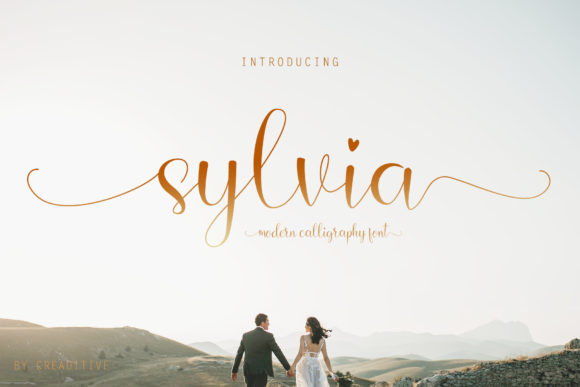
Sylvia is a premium handwritten font with subtle character variations that mimic natural pen strokes. It has a soft, organic feel without sacrificing clarity—making it ideal for modern websites where readability and aesthetics must coexist. The open apertures and generous spacing help maintain legibility even at smaller sizes, while its flowing script gives it a distinct personality that stands out in minimalist or editorial-style layouts.
This typeface exudes creativity and charm, making it particularly well-suited for brands targeting lifestyle, fashion, wellness, or personal service industries. Its delicate curves and gentle flourishes add a touch of sophistication without feeling overdesigned, which is crucial when maintaining visual hierarchy and usability on screen.
Real-World Applications in Web Design
I often use Sylvia as a display font in hero sections and headers. For example, a boutique online store selling handmade jewelry benefited greatly from using Sylvia for their site header—it immediately evoked a sense of craftsmanship and care. Similarly, I’ve used it on course sales pages for creative workshops, where the font helped reinforce the personal, hands-on nature of the offering.
- Hero Sections: Sylvia adds a human touch to headlines, making them feel more inviting and authentic.
- Call-to-Action Buttons: When paired with a bold sans serif, it helps highlight key phrases like “Start Now” or “Join Today.”
- Blog Headers: It brings a fresh and engaging tone to blog titles, especially when the content is about art, culture, or lifestyle.
- Portfolio Sites: Creative professionals use it to showcase their unique style and voice through typography.
- Digital Brand Kits: Sylvia supports a cohesive look across social media graphics, email signatures, and website headers.
Readability and Scanning Behavior
While Sylvia shines in decorative or attention-grabbing roles, it’s not a body font. Its script nature means it works best for short bursts of text. In responsive designs, I recommend using it only for headings and subheadings, keeping body copy clean and easy to read with a complementary sans serif or serif font.
On mobile screens, ensure Sylvia is sized appropriately—avoid anything below 18px unless it’s part of a larger, contrasting layout. For small buttons or navigation elements, stick to simpler weights or styles (like condensed or bold) to maintain clarity. When placed over images, use a stroke or shadow effect to enhance contrast and visibility, especially on busy backgrounds.
Brand Tone and Professionalism
The choice of font directly influences how users perceive your brand. Sylvia communicates warmth, creativity, and trust—perfect for brands aiming to build emotional connections with their audience. It’s also versatile enough to adapt to both casual and professional contexts, depending on how you pair it and apply it within a layout.
I’ve seen it work wonders for coaching websites and wellness apps. Used sparingly in section titles and testimonials, it enhances the user experience by reinforcing a friendly, supportive tone. However, for SaaS products or enterprise-level platforms, I’d suggest limiting its use to logo text or specific UI accents rather than full-page headers, to avoid overwhelming the interface.
Font Pairing and Layout Rhythm
One of the most important aspects of using any script font is knowing how to pair it effectively. Sylvia pairs exceptionally well with clean, modern sans serifs like Montserrat or Lato for body text. This combination allows the personality of Sylvia to shine while ensuring the supporting text remains scannable and accessible.
If you're going for a more classic or editorial vibe, try pairing Sylvia with a refined serif such as Merriweather or Playfair Display. This setup works great for blogs, newsletters, or product descriptions where a balance between creativity and professionalism is needed.
Avoid pairing Sylvia with other script fonts unless you’re intentionally mixing styles for a vintage or artistic aesthetic. Too much script can muddy the visual hierarchy and reduce user engagement, especially on complex landing pages or e-commerce sites.
Optimizing for Different Backgrounds
When working with dark mode or dark-themed websites, Sylvia performs best with a light color and a slight outline or drop shadow. This prevents it from blending into the background and ensures it remains legible and eye-catching. On lighter backgrounds, especially white or pastel tones, Sylvia looks elegant with just a subtle weight adjustment.
For image overlays in banners or promotional materials, consider adding a semi-transparent fill or stroke to preserve the font’s beauty while making it readable against varying imagery. Always test different weights and styles included in the font family to find the one that balances form and function best for your project.
Commercial Use and Licensing Considerations
Before implementing Sylvia into your client’s website or your own digital product, check the licensing details. Many commercial fonts require proper licensing for web embedding, especially if they are being used in templates, online stores, or brand assets. With Script Amp, it’s typically straightforward, but always confirm whether the license covers webfont formats like WOFF or TTF, and if there are limitations based on traffic volume or usage scope.
Proper licensing isn’t just about avoiding legal issues—it also ensures access to all the font’s features, including alternates, ligatures, and multilingual support. These extras can be invaluable when designing for international audiences or crafting custom branding experiences that reflect global reach.
Creating a Consistent Online Identity
Typefaces like Sylvia help shape a brand’s identity across digital channels. Once selected for a primary header, I ensure it’s consistently applied in all design assets—from app icons to email templates and social media posts. This consistency builds recognition and reinforces the brand’s tone.
For instance, I recently worked on a rebrand for a small studio that wanted to stand out in a crowded market. Using Sylvia for their logo and key headlines gave them a signature look that felt both professional and personable. Clients could instantly recognize the brand’s voice through typography alone.
Why Choose Sylvia for Your Next Project?
Sylvia is more than just a pretty script—it’s a tool that can elevate your web design and strengthen your brand’s message. Here’s what makes it a solid choice:
- Modern Typographic Appeal: Combines handcrafted charm with digital clarity.
- Flexible Usage: Works in logos, headers, posters, and more without losing its integrity.
- Responsive Friendly: Designed to scale well across devices and resolutions.
- Strong Visual Hierarchy: Helps guide users’ attention to key messages without cluttering the layout.
- Professional Edge: Adds a creative flair while still maintaining a polished appearance.
Practical Tips for Implementation
To maximize Sylvia’s potential, here are a few tips I follow during implementation:
- Use it for hero titles, section headings, and branded slogans to create focal points.
- Limit its use in long paragraphs or dense information areas; opt for a simpler body font instead.
- Experiment with the included styles—many script fonts offer alternate characters that can give your design a unique edge.
- Always preview it on multiple screen sizes to ensure it maintains its appeal and readability.
- Consider using it in conjunction with logo design tools or graphic editors for cohesive branding.
By thoughtfully integrating Sylvia into your digital projects, you can achieve a more expressive and memorable user experience. It’s not just about looking good—it’s about making sure your message resonates clearly and confidently, no matter where it appears online.